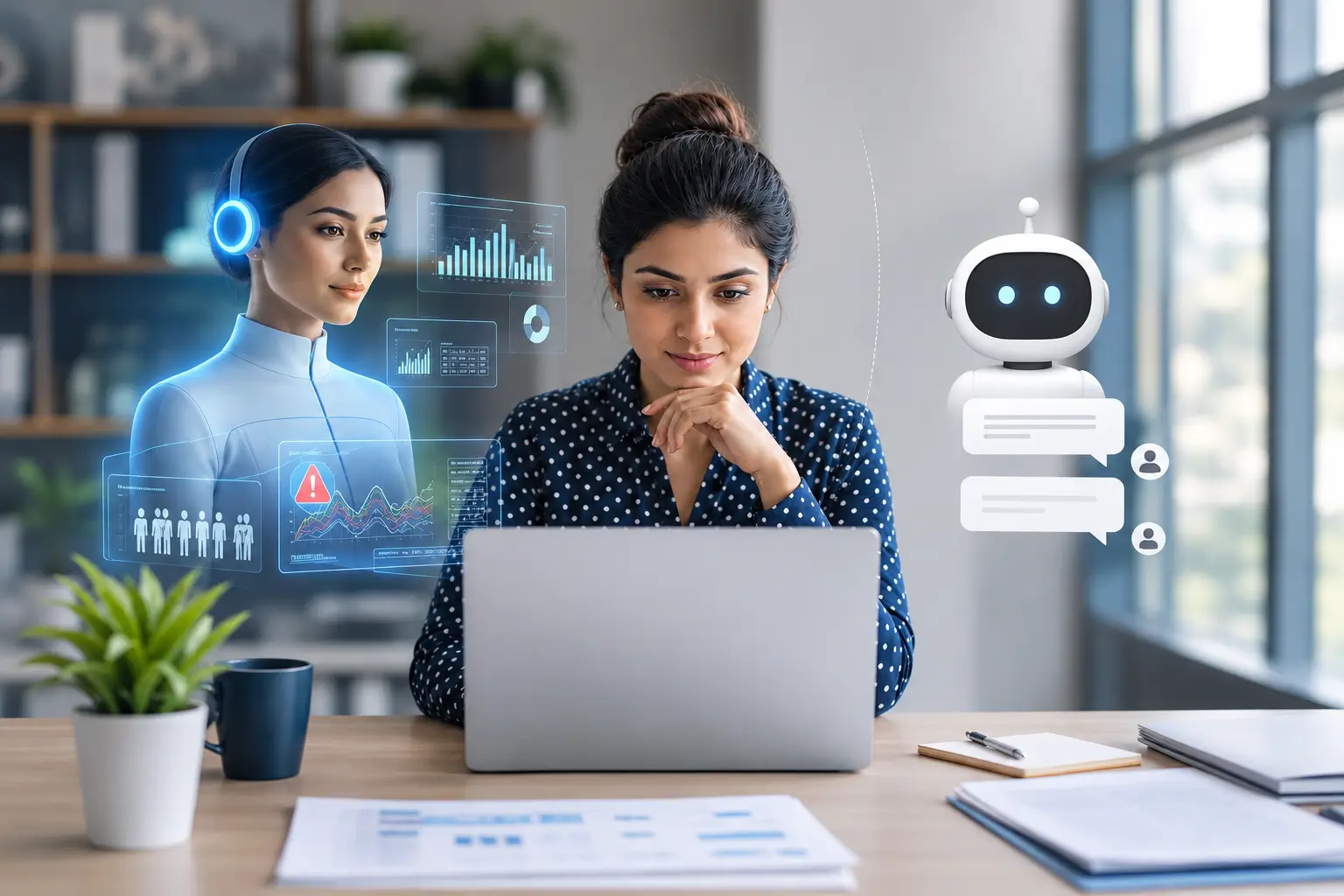
AI HRMS assistant tools are often mistaken for “just another HR chatbot.” But the best AI built into an HR system doesn’t only answer questions—it helps teams understand what’s happening in their workforce data and what needs review before it turns into payroll issues, compliance problems, or management surprises.
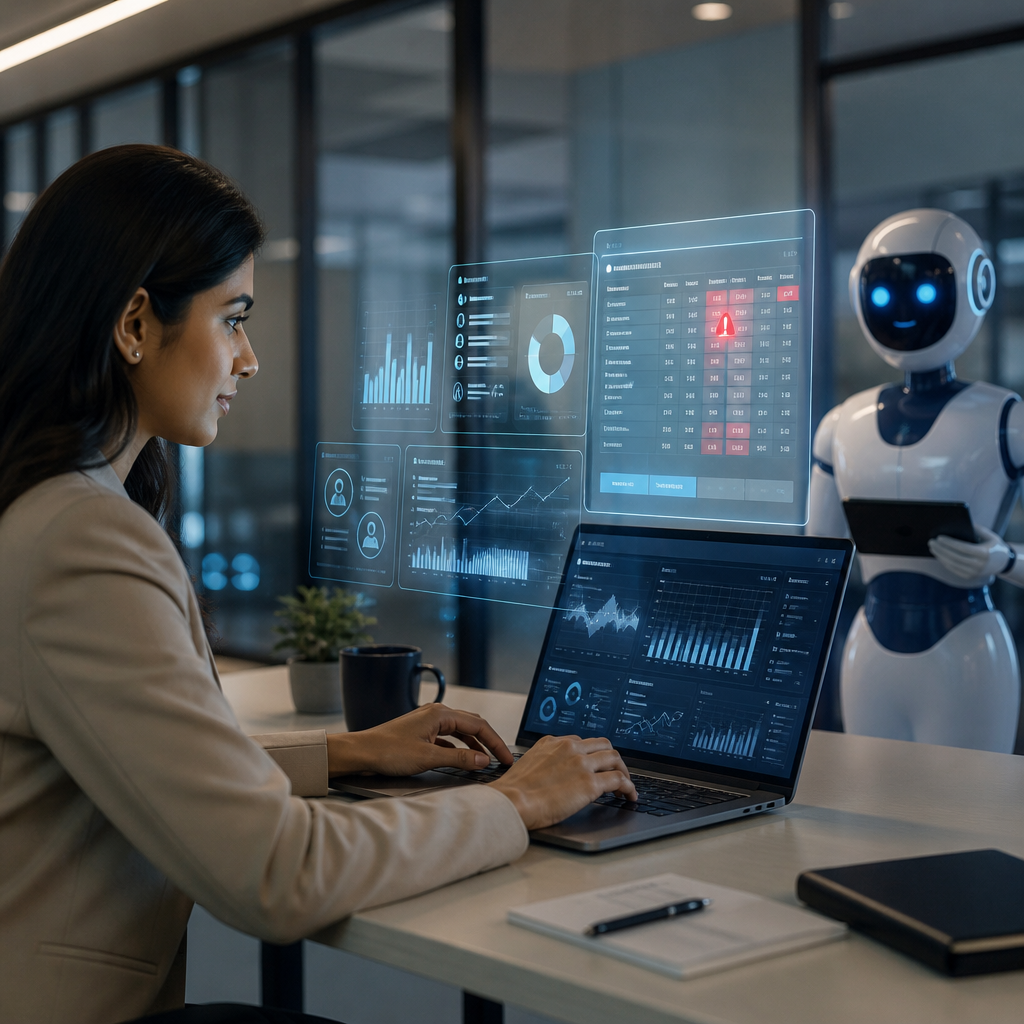
In this article, we’ll break down what makes IVY AI (inside Adaptive Pay) different from a traditional HR chatbot, using plain language and practical examples—so you can evaluate AI in HRMS platforms with confidence.
AI HRMS assistant vs HR chatbot: the core difference
A traditional HR chatbot is typically designed for Q&A and basic employee self-service—think: “How many leave days do I have?” or “What’s the policy for MC?” It’s helpful, but usually limited to scripted flows, static knowledge bases, or narrow FAQ-style support.
An AI HRMS assistant is built to work inside the HR system, across connected modules like payroll, attendance, leave, claims, and employee records. Instead of only responding with an answer, it can help surface patterns, exceptions, and validations that matter for HR and payroll decision-making.
What makes IVY AI different from a traditional HR chatbot
IVY AI is positioned as an AI layer inside an HRMS—supporting HRMS help, analytics, anomaly detection, record validation, and payroll verification across connected HR processes. That “inside the system” design is what changes the value you get from AI. Here are the practical differences that matter.
1) It’s connected to HRMS data—not just a policy FAQ
Many chatbots are strongest when the question is policy-based (static) rather than data-based (dynamic). But HR work is full of dynamic questions: pay movements, missing attendance, pending approvals, odd overtime spikes, or inconsistent employee records.
IVY AI is designed to analyze and summarize workforce and payroll information across modules (payroll, attendance, leave, claims, employee records), rather than only answering generic HR questions. If you want a product-level overview of where IVY fits, Adaptive Pay describes it as part of its built-in AI capability within the HRMS platform. You can review the platform context on the AI-powered HR software page.
2) It helps spot exceptions (anomaly detection), not just respond to requests
Chatbots usually wait for a user to ask. But payroll and HR risks often show up as exceptions—before anyone knows to ask the “right” question.
IVY AI is described as supporting payroll anomaly detection, including unusual salary movement, overtime spikes, claim patterns, and attendance gaps that can affect payroll before finalisation. That’s a different job than “answer the question”; it’s closer to “highlight what deserves human attention.”
3) It supports validation workflows across attendance, leave, and claims
Traditional HR chatbots can tell someone how to apply leave, but they usually don’t validate whether the underlying records are complete, consistent, or payroll-impacting.
IVY AI is positioned to help validate HRMS records—flagging missing, duplicate, incomplete, or inconsistent information that may affect payroll and reporting. In other words, it’s not only assisting employees; it’s assisting HR and payroll operations by improving data quality before critical deadlines.
4) It’s built for multiple roles, not only employee self-service
Most HR chatbots are built primarily for employees (and sometimes managers). An AI HRMS assistant should support the broader set of HRMS stakeholders: payroll, finance, operations, and leadership.
IVY AI is described as providing management summaries and insights for different user groups, helping departments understand trends without manually checking multiple reports.
5) It’s meant to work with human review (not replace it)
A common fear with AI in HR is that automation will “decide” things it shouldn’t. A more practical approach is AI that supports review—highlighting items that still require authorised approval.
Adaptive Pay describes IVY AI as supporting HRMS guidance and highlighting records that need attention, while keeping final decisions and approvals with authorised users (human review). That distinction matters when you’re evaluating AI for payroll-impacting processes.
Quick examples: HR chatbot answers vs AI HRMS assistant outcomes
- Question: “What’s my leave balance?”
Typical chatbot: Returns a balance number or explains the policy.
AI HRMS assistant: Returns balance and can help highlight overlaps, pending approvals, or unpaid-leave impact that could affect payroll. - Question: “Why is payroll higher this month?”
Typical chatbot: Suggests checking a report or contacting payroll.
AI HRMS assistant: Summarises likely drivers (e.g., overtime spikes, allowances changes, claim reimbursement movement) and points to exceptions for review. - Question: “Can I claim this expense?”
Typical chatbot: Repeats the claim policy from the handbook.
AI HRMS assistant: Can also help identify missing attachments, unusual amounts, or potential duplicates for the approver to review.
How to evaluate an AI HRMS assistant (a practical checklist)
If you’re comparing tools, use these questions to separate “chatbot” features from true HRMS-assistant capability:
- Data connection: Can it work across payroll, attendance, leave, claims, and employee records—or only a policy FAQ?
- Exception handling: Does it highlight anomalies (salary movement, OT spikes, missing attendance) before payroll is finalised?
- Validation: Does it help validate missing/duplicate/inconsistent HR records that impact payroll and reporting?
- Role-based access: Does it respect HRMS permissions so users only see what they’re allowed to see?
- Actionability: Do outputs lead to clear next steps (what to check, who should review), instead of generic advice?
Where IVY AI fits inside Adaptive Pay
IVY AI is presented as an AI-powered HRMS assistant within Adaptive Pay that supports HRMS help, analytics, anomaly detection, validation, and payroll verification. If you want to see those capabilities grouped in one place, the most direct reference is Adaptive Pay’s AI HRMS assistant (IVY AI) overview page.
Frequently asked questions
Is an AI HRMS assistant the same thing as an HR chatbot?
No. An HR chatbot usually focuses on answering questions and guiding employees through basic requests. An AI HRMS assistant is designed to work inside the HRMS to support analytics, validations, and exception detection across HR and payroll processes.
Will an AI HRMS assistant replace HR or payroll teams?
In most practical deployments, the goal is not replacement. It’s to reduce manual checking, highlight exceptions, and speed up reviews—while keeping final approval and decision-making with authorised humans.
What should I look for first if I’m considering IVY AI?
Start with whether you want AI primarily for employee Q&A (chatbot use case) or for payroll-impacting checks and workforce insights (assistant use case). If your biggest pain is pre-payroll verification and spotting unusual changes early, focus on anomaly detection and validation capabilities.
Consclusion
An HR chatbot can be useful for fast answers. But an AI HRMS assistant is valuable when you need help interpreting connected HR and payroll data—especially when the goal is fewer surprises at payroll time, cleaner records, and faster management reporting.
If you’re evaluating IVY AI specifically, make your decision based on whether you need an AI layer that goes beyond conversation—into validation, anomaly detection, and HRMS-wide insights within your existing workflows.